How are Permanent Magnets Made?
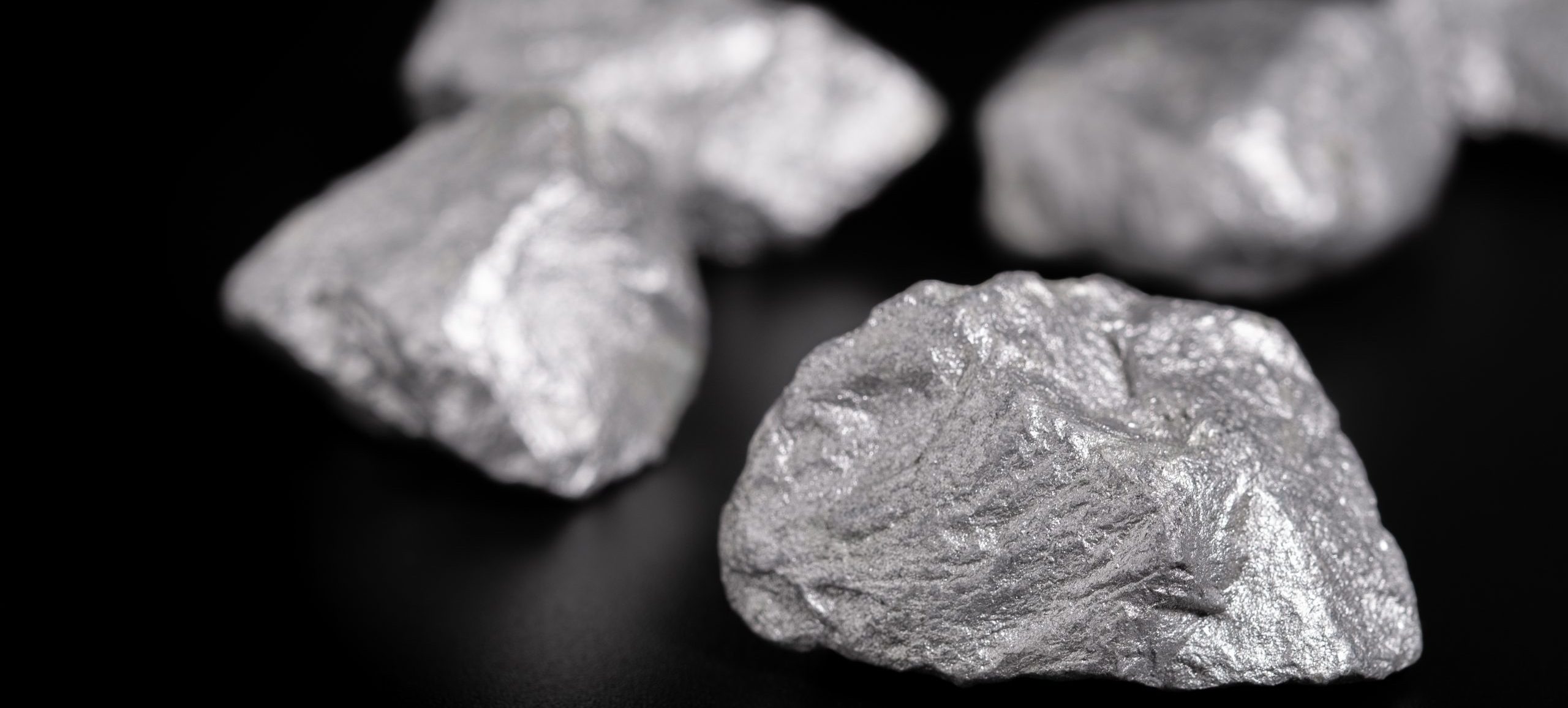
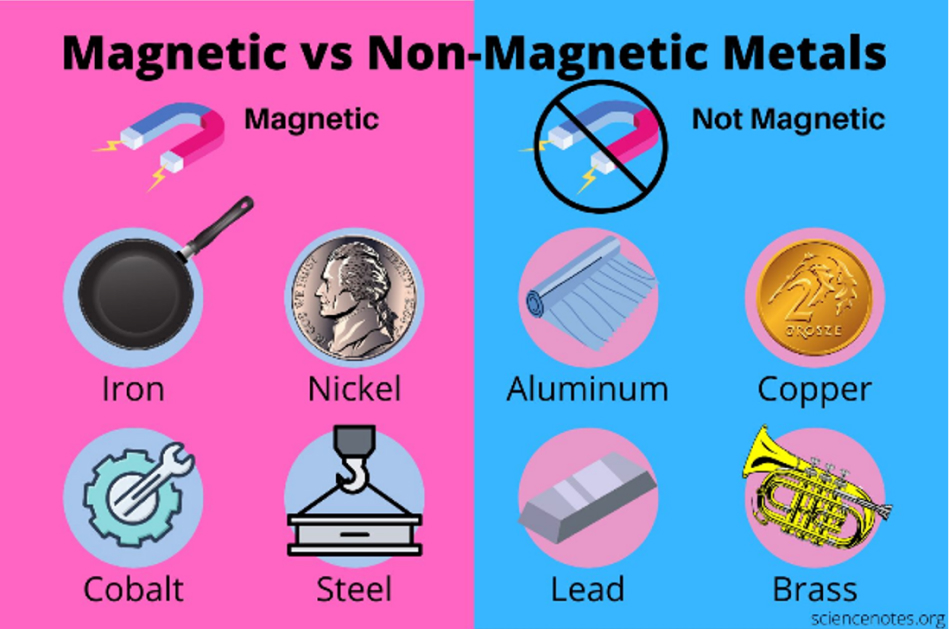
Making permanent magnets involves a multi-step process that begins with selecting the appropriate materials. The most commonly used materials are ferromagnetic metals like iron, nickel, cobalt, or their alloys. Also important are rare earth elements such as neodymium: for example, one of the most widely used permanent magnets combines neodymium, iron, and boron. These materials work because they are easy to magnetize. The first step is to mix these materials with other elements to create a magnetic alloy. The mixture is then melted and solidified to form ingots or blocks. Importantly, this process doesn’t just create a random mixture of elements. Instead, it results in the formation of new materials with distinct atomic patterns and chemical bonding – in other words, crystals. It is the specific details of the crystalline structure and chemical composition that determines whether or not a material will be a useful magnet.
Next, the solidified crystal is crushed into a fine powder and then pressed into the desired shape using a process called compacting. The compacted shape is heated to a specific temperature in a controlled atmosphere, a process known as sintering. During sintering, the particles within the material fuse into a solid and uniform structure.
After sintering, the material is cooled and cut, ground, or polished into the desired shape and size. At this stage, the magnets are weak and have minimal magnetic alignment. The magnets are subjected to a process called magnetization to enhance their magnetic properties. They are placed within a permanent magnet or electromagnet’s strong external magnetic field. This external magnetic field aligns the magnetic domains within the material, reinforcing the magnetism and giving the magnet its full strength.
The final step is to apply any required surface finishing and coating to protect the magnets from corrosion. The magnets are then ready for use in various applications, ranging from everyday items like fridge magnets and toys to critical components in motors, generators, and other technological devices.